Observability Is a Testing Strategy
4 min read quality , testing , observability , monitoring , sre , shift-right
A test is an assertion about how a system should behave. An alert is exactly the same thing - it just runs in production, against real traffic, forever.
Most teams don’t see it that way. Tests belong to developers, live in the repository and get reviewed. Alerts belong to ops or SRE, live in a dashboard and get added after an incident, without anyone reviewing them. Two worlds, two owners.
In Shift Left vs Shift Right I described monitoring as the medical check-up that complements a healthy diet. This post is about the mechanism: if alerts are assertions, they deserve the same discipline we give to tests - and a testing strategy that ignores them has a hole exactly where users live.
A green suite and three days of silence
The suite is green, the deploy goes out on Tuesday. On Friday a support ticket arrives: payments in one specific currency have been failing since Tuesday, only through one provider, only above an amount nobody ever used in staging.
Nobody wrote a wrong test. Tests answer “does it work in the cases I imagined?”. Production answers “does it work in the cases that actually exist?”. For three days the system knew the answer - the errors were in the logs - but nothing was listening.
The same thing, with a different name
| Testing | Observability |
|---|---|
| Assertion | SLO / alert condition |
| Flaky test | Noisy alert |
| Test that can never fail | Alert that never fires |
| Testing implementation details | Alerting on CPU instead of user impact |
| Smoke test after deploy | Synthetic monitoring |
| Coverage | Which user journeys have a signal at all? |
We’ve learned to worry about everything on the left. Rarely about the right, even though it’s the same problem.
And alerts get the same diseases. Noisy alerts destroy trust like flaky tests: as I argued in Trust Is a System Property, a signal everyone ignores trains people to ignore signals. Dead alerts - on a metric that stopped being emitted two refactorings ago - are green forever, and green forever looks just like “everything is fine”. Alerting on causes like CPU or queue size is testing the implementation; the Google SRE book says to page on symptoms, for the same reason we test behaviour: internals change, the promise to the user doesn’t.
Your E2E suite, on a schedule
The most literal version of the idea is synthetic monitoring: take a user journey and run it against production every few minutes. If you have an end-to-end suite - like the Playwright one I wrote about - most of the work is done.
It isn’t free: you need dedicated accounts, a way to recognise synthetic traffic, and journeys that stop before anything irreversible. Five journeys that matter, not five hundred. In exchange you get something CI can’t give you: proof that it works right now, with real DNS, real certificates, real third parties. Half the incidents I’ve seen weren’t code at all.
SLOs: acceptance criteria that never expire
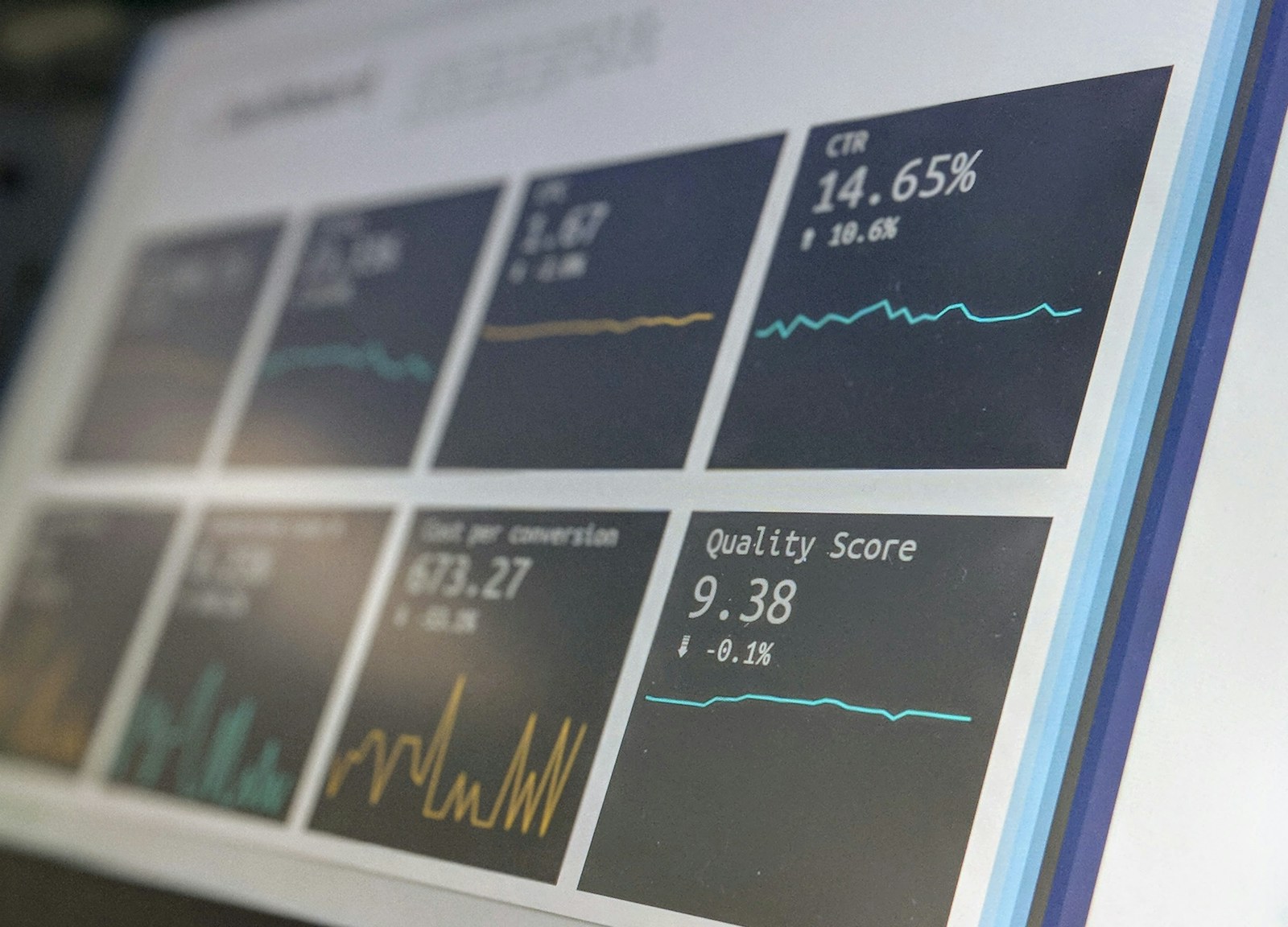
An acceptance criterion is checked once, before the release. An SLO - 99.5% of checkouts succeed within two seconds over 28 days - is the same sentence, checked for as long as the feature exists. And the error budget is the most honest answer I know to How Much Is a Bug Worth?: it turns “how much quality is enough” from opinion into a number agreed in advance.
Closing the loop
The two halves should feed each other:
- Every incident found in production should produce a test. Production had to tell you, so the suite was missing a question.
- Every test you can’t write should produce a signal. Scale, timing, third parties: decide deliberately - “we won’t test this, so we’ll watch it” - not by omission.
The obvious objection: so just watch production? No. Observability finds problems after a user has had them. It can shrink the time between breaking and knowing from three days to three minutes, never to zero. Fine for a typo on a landing page, not for a payment or a deleted file. Charity Majors made the case for testing in production better than anyone, and she never argued for dropping pre-production tests.
Observability is a testing strategy for what is too expensive to test before, not a replacement for what is cheap to test before.
Three questions for the next design review
- How will we know this works in production? Which signal, with which threshold.
- Who gets woken up if it breaks? “Whoever is on call, I guess” means nobody owns it.
- Which test will the first incident produce? If you can imagine the incident, you can probably write the test now.
None of these needs a new tool. Just tests and alerts discussed in the same room - which, if they’re the same thing, is where they belonged all along.